
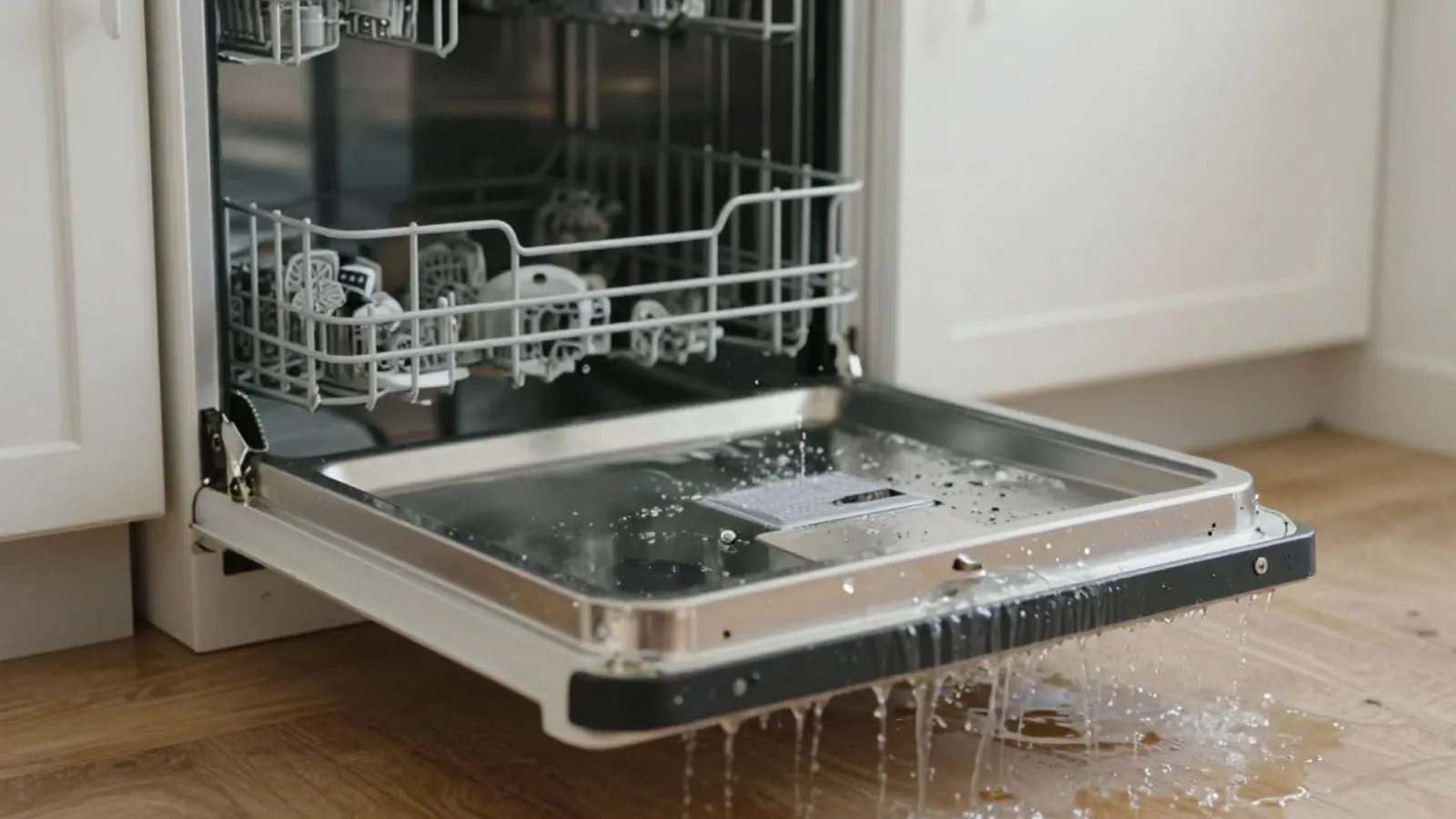
Emergency Appliance Leak Water Damage in Deland, FL
Appliance leaks run slowly and hide behind cabinets. Crews find the wet area, remove what cannot dry and set drying equipment.
Appliance leaks are an emergency when water is on the floor, so shut off the supply valve or the main, unplug the appliance if the cord is dry and call the 24/7 line. Water behind a dishwasher or under a washer travels under flooring and into cabinet bases. Photograph the wet area and keep the failed hose or part.
Appliance leak water damage is the harm caused when a dishwasher, washing machine, refrigerator water line or water softener fails. These leaks start small, then soak subfloor and cabinet bases for days. In a Deland home, the appliance is often on a slab, so water spreads under cabinets to places a mop does not reach.
Appliance leak emergency: first steps
Turn off the water supply valve behind the appliance. If you cannot reach it, close the main. Pull the plug only if you can do so without standing in water, and call the line. Same-day response is offered when available for active leaks.
Where appliance leaks come from
Washing machine hoses are the most frequent failure, particularly old rubber hoses. Replace them with braided steel lines every few years. A dishwasher supply line or door gasket can drip behind the toe kick for weeks, and a refrigerator ice maker line can soak a kitchen subfloor behind a sealed cabinet.
Humidity here makes slow leaks worse because the surrounding materials never dry. A cabinet base that stays damp for a week can swell and grow mold. Check under sinks and behind appliances twice a year for stains or soft cabinet bottoms.
The kitchen water damage page covers how cabinets and countertops are handled after an appliance leak.
Signs an appliance is leaking
Floor feels soft or cupped
Laminate or hardwood near the appliance raises or swells.
Musty smell near the kitchen
Damp cabinet bases and insulation hold odor.
Water stain on the ceiling below
An upstairs washer leak can show downstairs first.
High water bill
A running line behind the appliance adds up.
Appliance leaking now?
Shut the supply valve and call. We will talk through the rest.
Preventing the next appliance leak
Replace rubber washer hoses with braided steel lines, and shut the washer supply valves when you leave on a long trip. A water alarm placed on the floor behind the dishwasher or fridge costs little and catches a slow leak early. Pull appliances out once a year and check the floor behind them for stains.
How crews dry an appliance leak
Crews pull the appliance if safe, extract water and use moisture meters and thermal imaging to find wet cabinet bases and subfloor. Toe kicks and baseboards are removed to dry the cavity behind them. Air movers and LGR dehumidifiers run until readings reach drying goals.
Plumbers or appliance techs repair the failed part. We coordinate so the drying and the repair do not get in each other's way.
Dry in place or tear out
| Material | Often saved | Often replaced |
|---|---|---|
| Cabinet boxes | Solid wood, dried quickly | Particleboard that swelled |
| Subfloor | Plywood that dries to normal readings | Soft or delaminated panels |
| Flooring | Tile and sealed vinyl | Laminate and engineered wood that cupped |
| Drywall | Intact wall dried in place | Wet portion cut out |
What affects appliance leak cleanup price
- How long the leak ran before it was found.
- Whether the water reached cabinets, subfloor or the room below.
- Flooring type.
- Amount of drywall and cabinet material to remove.
- Drying equipment days.
Insurance and appliance leaks
Sudden appliance leaks are commonly covered for the resulting damage, while repeated slow seepage can be excluded. Your policy wording decides. Report within one year under Florida Statute 627.70132 and keep the failed hose or valve for the adjuster.
Serving Deland and nearby towns
We serve Deland and nearby towns such as Orange City and Lake Helen. If the leak has soaked the floor, see our hardwood floor page for what to expect.
The industry standard behind the work
Professional water damage restoration follows a published industry document, the ANSI/IICRC S500. It sets out how a loss is assessed, how affected materials are classified and how drying or cleanup is documented.
Ask any company how it applies that standard on your job. A clear answer should cover readings taken, equipment placed and the records you will receive. This page describes the approach, and it is not a claim about any individual certificate.
Questions we hear in Deland
Do you handle appliance leak emergencies at night or on weekends in Deland?
Yes. The line is answered 24/7. Shut the supply valve, then call and describe where the water is. A crew is arranged once the address is confirmed.
How do I know the water is gone from under cabinets?
You cannot tell by looking. Moisture meters and thermal imaging show wetness behind the toe kick and under the cabinet base.
Can I just replace the appliance and mop?
Not if water reached the subfloor or cabinets. Mopping leaves moisture behind, and that leads to swelling and mold.
Will my washing machine leak damage the room below?
It can. Water follows pipes and the floor edge to the ceiling below, so check for ceiling stains.
Water spreading right now?
Call the line any hour. We will talk through the next safe step and what to expect from a crew.
Call (386) 699-0141