
Crawl Space Water Damage Cleanup in Deland, FL
Water under a raised house soaks insulation and wood framing unseen. Crews pump, dry and treat the space before rot or mold sets in.
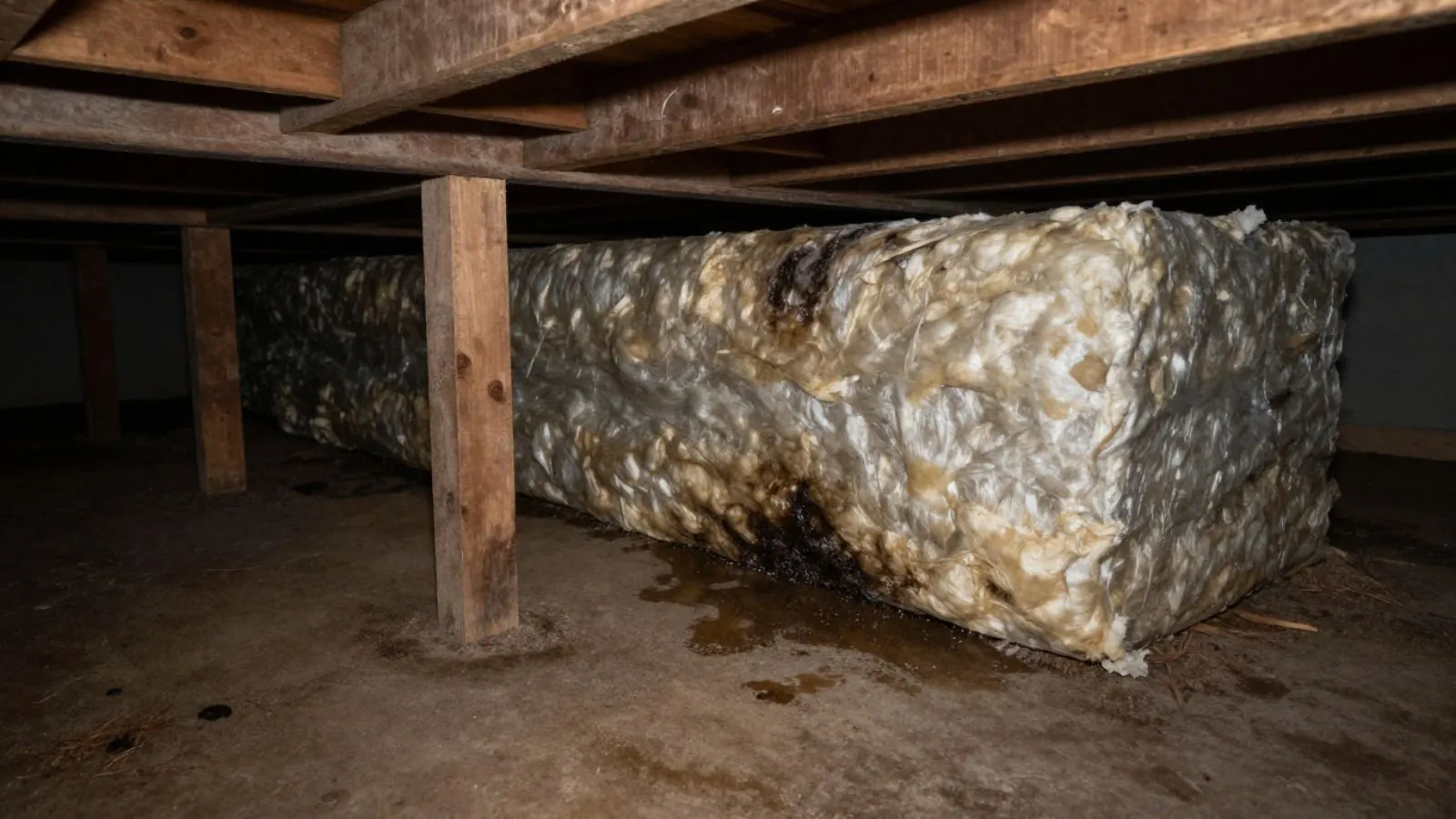
Crawl space water damage is the moisture harm to the area under a raised floor, including standing water, wet insulation and damp framing. Many older frame homes in Deland, including some in the West Deland Residential District, sit on pier foundations with open or vented crawl spaces. If you see water, smell mustiness or find sagging floors, call and describe it so a crew can plan access and equipment.
A crawl space is hard to inspect and easy to ignore, which is why damage runs for months. Check it twice a year with a flashlight, and look for puddles, stained insulation and mold on joists.
Why crawl spaces get wet in Central Florida
Heavy summer rain can pool against foundation walls, and low lots collect runoff. Downspouts that dump near the house, a leaking supply line and a clogged AC drain all add water. Extend downspouts several feet away and regrade soil that slopes toward the house.
High humidity makes the problem worse. Air pulled into a vented crawl space condenses on cooler surfaces, and wet soil adds vapor all year. A ground vapor barrier slows that moisture, and a dehumidifier can control the rest.
Signs of crawl space water damage
Musty smell inside the house
Odor rises through floor gaps.
Soft or bouncy floors
Joists or subfloor have been wet and weakened.
Sagging or wet insulation
Batts fall off when saturated.
Pest activity
Termites and ants favor damp wood.
What to check yourself and when to call
Open the access panel in daylight and look for standing water, dark stains on joists and insulation hanging loose. Do not crawl in alone if the space is wet, because wet soil and loose wiring are real hazards. A flashlight from the opening shows most of what you need.
Call when you see standing water, a musty smell indoors that does not fade, or floors that feel soft near exterior walls. The earlier a crew looks, the more of the framing can be dried instead of replaced.
Why a wet crawl space affects the rest of the house
Air moves from the crawl space into living areas through gaps around plumbing and wiring. Damp, musty air carries mold spores and odor upward, and wet framing can weaken the floor over time. Drying the space protects both the air inside and the structure.
How crews dry a crawl space
Crews pump standing water, remove saturated insulation and photograph the framing. Moisture meters check joists and subfloor, and thermal imaging shows wet areas. Air movers and LGR dehumidifiers dry the space, and antimicrobial treatment is used where mold is found.
Access is tight, so crews work in protective gear and bring portable equipment. The structural drying page explains how drying goals are set.
Repair options for a wet crawl space
| Option | Best when | Trade-off |
|---|---|---|
| Dry and monitor | Water was recent and wood is sound | Lowest cost, needs follow-up readings |
| Replace insulation | Batts are saturated | Wet insulation holds water against wood |
| Add vapor barrier | Soil is a constant moisture source | Helps long term, does not replace drainage fixes |
| Repair framing | Joists or subfloor are soft | Structural work, may need a contractor |
Cost factors for crawl space water damage
- Depth and volume of standing water.
- Crawl space height and access.
- Amount of insulation and subfloor to remove.
- Drying equipment days.
- Whether mold treatment is needed.
Insurance and crawl space water
Water from a burst line is commonly covered, while groundwater seepage and flood are often excluded. Ask your agent which applies. Report within one year under Florida Statute 627.70132.
Serving Deland and nearby towns
We serve Deland and nearby towns such as Cassadaga and Lake Helen, where older homes are often raised. If standing water came from a storm, see our storm water damage page, and for mold on joists see mold remediation.
The industry standard behind the work
Professional water damage restoration follows a published industry document, the ANSI/IICRC S500. It sets out how a loss is assessed, how affected materials are classified and how drying or cleanup is documented.
Ask any company how it applies that standard on your job. A clear answer should cover readings taken, equipment placed and the records you will receive. This page describes the approach, and it is not a claim about any individual certificate.
Questions we hear in Deland
How do I know if my crawl space has water damage?
Musty odors, sagging floors, stained insulation and pests are common signs. A flashlight check shows puddles and mold on joists.
Is crawl space mold dangerous?
Mold can affect indoor air because crawl space air rises into the house. Testing and removal are covered on our mold page.
Should I seal my crawl space?
Sealing and vapor barriers help in humid climates, but fix water sources first. A professional can advise.
Can you pump standing water from under my home?
Yes. Crews bring pumps and portable equipment for tight spaces.
Water spreading right now?
Call the line any hour. We will talk through the next safe step and what to expect from a crew.
Call (386) 699-0141