
Hardwood Floor Water Damage Repair in Deland, FL
Hardwood absorbs water and swells within days. Crews extract water, dry the floor and track readings so you know if sanding or replacement is needed.
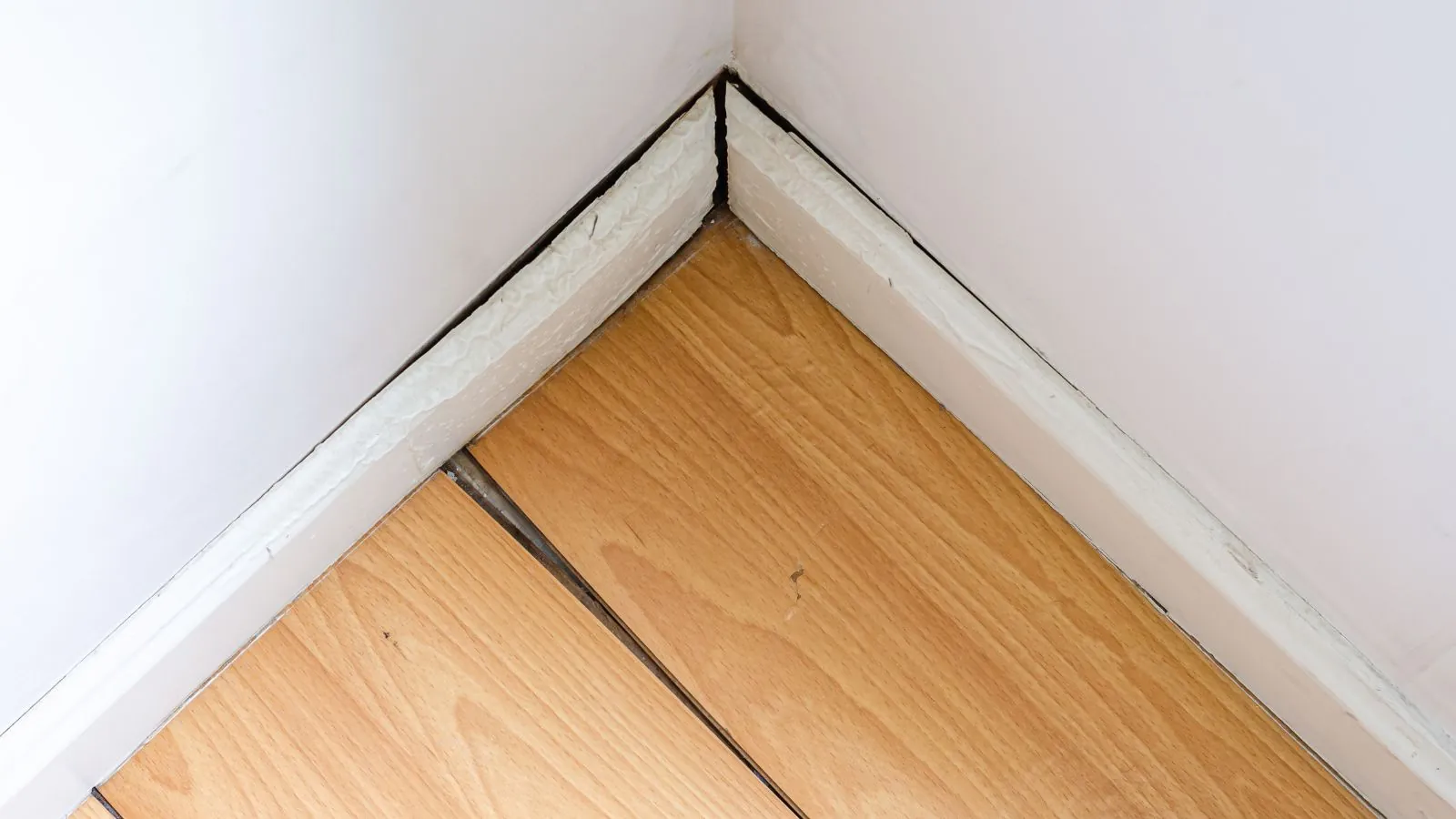
Hardwood floor water damage repair is the drying and restoration of wood floors after water from a leak or flood, including cupping, buckling and staining. Wood swells as it absorbs moisture, and the edges rise into a dish shape called cupping. If you see lifted boards or hear creaks, call and describe the floor and the water source.
Time matters because wet wood begins to warp within days and can grow mold on the underside. Photograph the floor, remove rugs and furniture and keep humidity low in the house.
Why hardwood floors cup after a leak
Boards absorb water from below through the subfloor or from above through the seams. The bottom of the board swells faster than the top, so the edges lift. Central Florida humidity adds to the problem because wood never fully dries if the house stays above comfortable humidity levels.
Solid wood and engineered wood behave differently. Solid boards can often be dried and sanded, while engineered floors with thin wear layers may delaminate and need replacement.
Signs of hardwood water damage
Cupping at board edges
A concave shape across each board.
Crowning
Center of the board higher than the edges after sanding or drying.
Dark stains or black spots
Water and mold under the finish.
Gaps or buckling
Boards pulled apart or lifted off the subfloor.
What to do in the first 48 hours
Stop the water, mop up standing water with towels and remove rugs, which trap moisture against the finish. Lower the indoor humidity with the AC and a dehumidifier, and keep heavy furniture off wet boards. Do not use heat guns or hair dryers on the floor, since quick drying makes boards split.
Take photos of cupping as it develops, because insurers often ask how the damage changed over time. A crew will check moisture at several spots so the plan is based on readings and not guesses.
Keeping humidity under control after the repair
Central Florida air can undo a good drying job if the house stays humid. Keep indoor humidity in a comfortable range with the AC and avoid leaving windows open in summer. Hardwood that swells again after the repair usually points to a leftover moisture source, such as a leak under the slab or a missing vapor barrier.
How crews dry hardwood
Crews extract surface water and measure moisture in the boards and subfloor. A floor drying system pulls moisture from the wood using heat and air movement through mats or panels. Air movers and LGR dehumidifiers support the process, and readings are logged until the wood reaches normal levels.
Sometimes boards are removed along an edge to let air under the floor. That is a trade-off, since you lose a few boards to save the rest. Crews explain the choice on site.
Repair options for water-damaged hardwood
| Option | Best when | Trade-off |
|---|---|---|
| Dry and monitor | Mild cupping, caught early | May flatten on its own, readings confirm |
| Sand and refinish | Boards dried but are uneven | Needs enough wear layer |
| Replace damaged boards | Localized damage | Matching stain takes care |
| Full replacement | Buckling across the room or mold under boards | Highest cost, clean result |
Do not sand until the wood is dry, or the boards can shrink and gap later. A crew will tell you when readings are safe.
What affects hardwood repair price
- Floor area and board species.
- Solid or engineered construction.
- Time the floor stayed wet.
- Drying system days.
- Sanding, staining and finish choices.
Insurance and hardwood damage
Sudden leaks are commonly covered for resulting damage, while long seepage can be excluded. Report within one year under Florida Statute 627.70132, and photograph the floor before and during drying.
Serving Deland and nearby towns
We serve Deland and towns such as Orange City. Older homes in the West Deland Residential District may have wood floors worth saving, so call early. For the source of the water, see appliance leak damage and carpet water damage if other rooms are carpeted.
The industry standard behind the work
Professional water damage restoration follows a published industry document, the ANSI/IICRC S500. It sets out how a loss is assessed, how affected materials are classified and how drying or cleanup is documented.
Ask any company how it applies that standard on your job. A clear answer should cover readings taken, equipment placed and the records you will receive. This page describes the approach, and it is not a claim about any individual certificate.
Questions we hear in Deland
Will my hardwood floor flatten after drying?
Mild cupping often flattens as the wood dries, but readings and time decide. Sanding too soon can cause gaps later.
Can wet hardwood be saved?
Often yes if water was clean and drying began quickly. Contaminated water or long exposure reduces the odds.
How long does hardwood take to dry?
Often days to weeks, depending on thickness and moisture. Crews track readings.
Should I remove the floor?
Not always. Crews decide after readings and may remove a few boards to ventilate the subfloor.
Water spreading right now?
Call the line any hour. We will talk through the next safe step and what to expect from a crew.
Call (386) 699-0141