
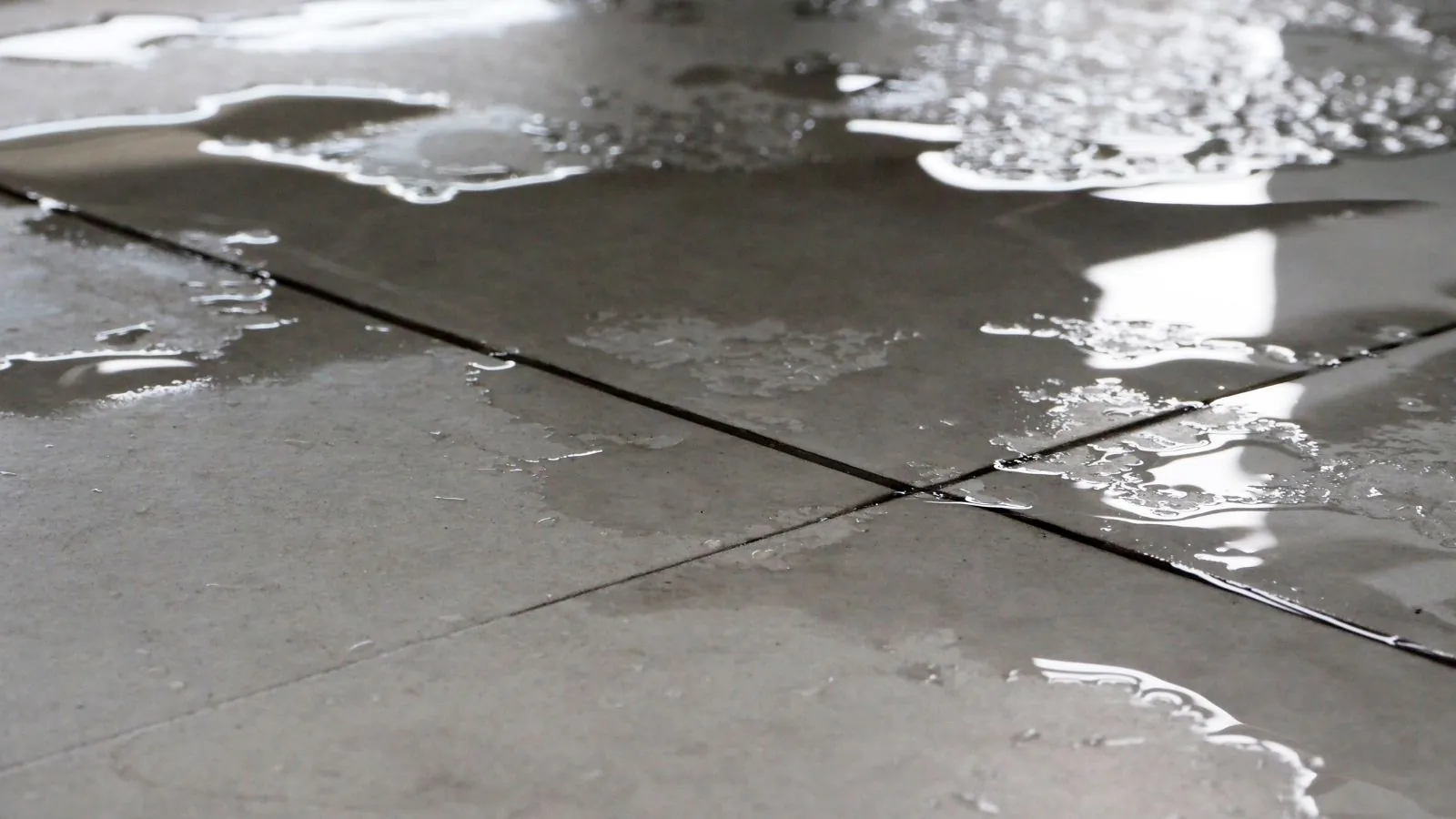
Emergency Commercial Water Damage in Deland, FL
Water in a business means lost time and lost stock. Crews extract, dry and coordinate with owners, tenants and adjusters so the doors can reopen.
Water in a commercial building is an emergency, so call the 24/7 line, shut the main water valve if you can and move inventory, files and electronics off the floor. Cut power to wet areas only from a dry panel and stay clear of any equipment in standing water. Photograph the damage before anything moves, because your insurer will want the record.
Commercial water damage restoration covers the extraction, drying and repair of businesses, including offices, restaurants, retail shops, medical suites and multi-tenant buildings. These jobs differ from homes because several parties are involved, and every day closed costs money. The goal is a dry, safe building and the paperwork to support a claim.
When a business water loss is an emergency
Call right away when water reaches inventory, electrical panels, server rooms or floors where customers walk. Same-day response is offered when available for active leaks, and after-hours calls get the same questions so a crew can prepare. Tell the line if the building is multi-tenant, since water often crosses into the unit next door.
Why Deland buildings take on water
Downtown Deland, along Woodland Boulevard, has older commercial buildings with shared walls and roofs, and a leak in one unit can move to the next. Flat or low-slope roofs hold water after a storm and test aging flashing. Walk the roof drains each spring so a summer cloudburst does not find them clogged.
Stetson University, the Deland Municipal Airport and the Volusia County Fair and Expo Center bring large buildings and events to the area, and big roofs and long plumbing runs mean bigger losses. Sprinkler lines, rooftop HVAC drains and restroom supply lines are the usual culprits. A maintenance walk-through after each major storm catches issues before tenants do.
Restaurants and salons add their own risks. Dishwasher lines, grease traps and sink drains fail at the worst times, and wet back-of-house floors can mean a health inspector visit. Keep a water shutoff location map on file for each space.
Water in the business right now?
Call and describe the building. We will explain next steps and timing.
How crews handle a commercial loss
Crews assess the whole building, not only the visible wet areas. Moisture meters and thermal imaging find water behind walls and under floors, and extraction units remove standing water. Air movers and LGR dehumidifiers dry the structure, with readings logged for each space.
Contents are protected where possible. Inventory, files and equipment are moved or elevated, and we document what was affected. The structural drying page explains the drying phase in more detail.
Phased work to keep a business open
| Approach | Best when | Trade-off |
|---|---|---|
| Full closure and dry-out | Large loss across the space | Fastest drying, longest downtime |
| Phased work by area | Only part of the building is wet | Business stays open, drying takes longer |
| After-hours work | Customers need daytime access | Higher labor cost, minimal disruption |
| Tenant by tenant | Multi-tenant building | Coordination with the landlord is key |
What affects commercial water damage price
- Floor area and number of spaces wet.
- Type of building materials and finishes.
- Contents that must be moved or protected.
- Hours of work, including nights and weekends.
- Drying equipment days.
Insurance and commercial losses
Commercial policies vary widely and may include business interruption coverage or flood exclusions. Read yours and call your agent early. Florida Statute 627.70132 covers notice of property claims within one year of the loss.
Landlords and tenants should check who insures the building and who insures contents before a loss. Clear records and photos help in either case.
Serving Deland and nearby towns
We serve businesses in Deland and in nearby towns such as Orange City. Downtown shops and restaurants can also read the page for Downtown DeLand and the Garden District. For storm-driven losses, read our storm water damage page, and for sewage in a restroom or kitchen, see sewage backup cleanup.
The industry standard behind the work
Professional water damage restoration follows a published industry document, the ANSI/IICRC S500. It sets out how a loss is assessed, how affected materials are classified and how drying or cleanup is documented.
Ask any company how it applies that standard on your job. A clear answer should cover readings taken, equipment placed and the records you will receive. This page describes the approach, and it is not a claim about any individual certificate.
Questions we hear in Deland
Do you handle commercial water damage emergencies at night or on weekends in Deland?
Yes. The line is answered 24/7. Describe the building and the water, and a crew is arranged. After-hours work is common for businesses that need to reopen.
Can you work around business hours?
Yes. Phased or after-hours work can keep part of the building open. The crew explains the trade-offs on site.
Do you coordinate with landlords and tenants?
Yes. We document each space and share findings with the people who need them.
What should I do before the crew arrives?
Stop the water, move inventory off the floor and photograph the damage. Do not use electronics in wet areas.
Water spreading right now?
Call the line any hour. We will talk through the next safe step and what to expect from a crew.
Call (386) 699-0141