
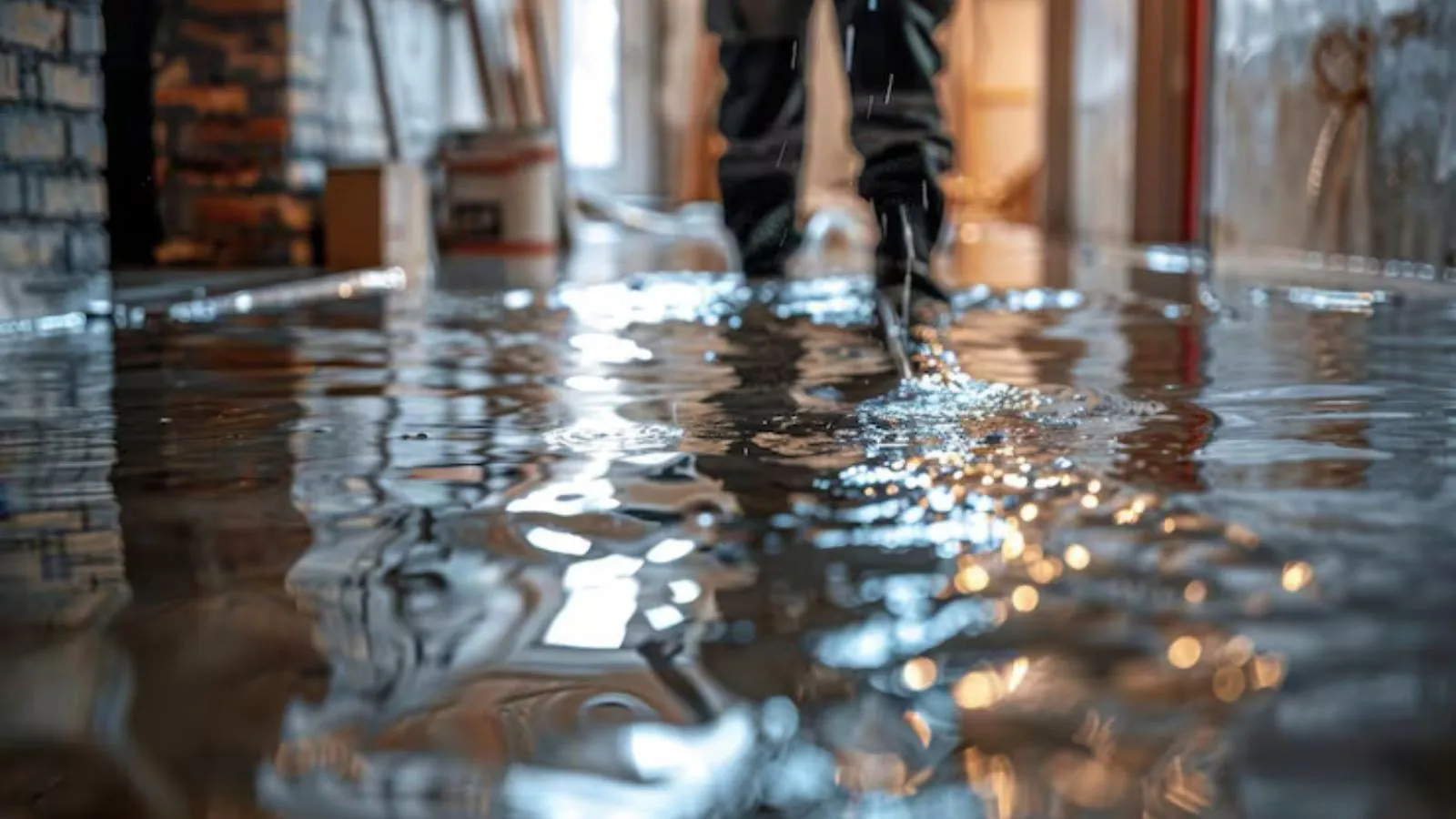
Emergency Water Extraction in Deland, FL
Standing water ruins flooring and soaks walls fast. Crews pump it out, extract what the carpet and subfloor are holding and set up drying equipment.
Standing water in a house is an emergency from the first hour, so call the line any time, 24/7, and say how deep it is and where it came from. While you wait, stop the source if you can, keep out of rooms where outlets are under water, and lift anything off the floor that you can carry safely. Photograph the water line before anything moves.
Water extraction means physically removing standing and absorbed water with pumps and extraction units before drying begins. In a Deland slab-on-grade house, water spreads quickly across tile and laminate, then wicks into baseboards and the bottom of the drywall. The sooner the bulk water is out, the less the walls have to dry.
When standing water is an emergency
Call right away when water is deeper than a skim on the floor, when it keeps coming, or when it has soaked carpet and padding. Clean water from a supply line can turn into a gray-water problem within a day or two as it sits and picks up what is on the floor. Ask for same-day help, and be ready to say whether the water is still entering the house.
Why Deland homes take on standing water
Summer afternoon storms in Volusia County can drop an inch or more of rain in an hour, and that is enough to push water past door thresholds and under garage doors on flat lots. If your yard slopes toward the house, check the grade near the slab each spring so rain has somewhere else to go.
During Hurricane Ian in September 2022, Deland received roughly 13 to 15 inches of rain, based on local reporting of National Weather Service figures. Homes that took in water then show why it pays to photograph the high-water mark on walls before cleanup, since it documents how far the water rose.
Water also comes from inside. A failed water heater or a split supply line fills a slab house floor to the baseboards in a few hours. The water heater leak page and the burst pipe page cover those causes in more detail.
How crews remove the water
Crews start by confirming the source is stopped and the power is safe, then measure water depth and check moisture in the walls with a meter. Thermal imaging shows where water traveled behind finishes, so extraction targets the right spots.
Pump
Submersible pumps clear anything deeper than a couple of inches.
Extract
Truck-mounted or portable extraction units pull water from carpet, pad and hard floors.
Map
Moisture meters and thermal imaging mark wet walls and subfloor.
Dry
Air movers and LGR dehumidifiers start right after extraction.
Extraction is only the first stage. Our structural drying page explains the days of equipment work that follow, and why skipping that stage lets mold start in wall cavities.
Which extraction method fits your situation
| Situation | Typical method | What to expect |
|---|---|---|
| Deep standing water on tile or concrete | Submersible pump, then wet vacuum or extraction unit | Water out in hours, baseboards checked for moisture |
| Soaked carpet and pad | Weighted extraction, pad removal if contaminated or delaminating | Carpet may be saved, pad is often replaced |
| Water behind walls | Targeted drilling or flood cuts, then drying | Small openings in drywall, repaired after drying |
| Hardwood or laminate flooring | Extraction plus floor drying system | Cupping can still occur, so readings are tracked |
A crew will tell you which row you are in after the inspection. Do not run a household fan on wet drywall and call it done, because moving air without dehumidification pushes moisture around the house.
What drives the cost of water extraction
- How much of the floor area is wet and how deep the water is.
- Whether the water is clean, gray or contaminated, which changes the safety steps and disposal.
- How much carpet pad, baseboard or drywall has to be removed.
- How many days of air movers and dehumidifiers the structure needs.
- Whether work is needed at night or on a weekend.
The crew explains scope and price before work starts, so you know what is included and what could change if hidden moisture turns up. Ask what readings will show the job is done.
Insurance and standing water
Sudden accidental discharge, such as a failed supply line, is often covered, while rising flood water is usually a separate flood policy matter. Check your declarations page before you assume either way. Photos, moisture readings and drying logs from the crew give your adjuster a clear record.
Serving Deland and nearby towns
We run extraction calls in Deland and in nearby towns, including Orange City and Lake Helen. If water is also reaching the ceiling or walls, our flood damage cleanup page explains the wider recovery.
The industry standard behind the work
Professional water damage restoration follows a published industry document, the ANSI/IICRC S500. It sets out how a loss is assessed, how affected materials are classified and how drying or cleanup is documented.
Ask any company how it applies that standard on your job. A clear answer should cover readings taken, equipment placed and the records you will receive. This page describes the approach, and it is not a claim about any individual certificate.
Questions we hear in Deland
Do you handle water extraction emergencies at night or on weekends in Deland?
Yes. The line is answered 24/7. Tell the person who answers how deep the water is and where it is coming from, and they will give you safety steps while a crew is arranged. Same-day response is offered when available, but it depends on crew locations and road conditions that day.
How long does water extraction take?
Pumping and extraction on a typical house often takes a few hours, depending on depth and floor area. Drying afterward runs separately and often takes several days, so ask for the drying plan as well.
Can I use a wet vacuum myself?
A shop vacuum helps with a small spill from a clean source. It will not pull water from under carpet pad, subfloor or wall cavities, so call a crew if the water has been there more than a few hours.
Will carpet need to be replaced after extraction?
Often the carpet can be saved while the pad cannot, especially if the water was clean and extraction was fast. Contaminated water means both usually go.
Water spreading right now?
Call the line any hour. We will talk through the next safe step and what to expect from a crew.
Call (386) 699-0141