
Wall and Drywall Water Damage Repair in Deland, FL
Drywall wicks water upward and holds it in the core. Crews dry in place when possible and cut out sections that cannot recover.
Wall and drywall water damage repair is the drying and rebuilding of walls after water has soaked drywall, insulation and framing. Drywall acts like a sponge, pulling water up from the base and spreading it behind paint. If a wall has bubbles, stains or a musty smell, call and describe it, since the hidden side is usually worse than the visible side.
Water damage repair is what homeowners often search for once they see stains. The right order is dry first, repair second, because painting over wet drywall seals moisture in.
How water damages walls
Water rises up drywall by wicking, often reaching a foot or more above the visible line. Insulation in the wall cavity holds water against the back of the drywall, and paper facing gives mold an easy place to grow. In slab homes, the bottom plate of the wall sits on concrete that stays damp for days.
Common sources include supply lines, shower pans, roof leaks and AC drains. A stain on the wall of one room can start in the attic or bathroom above it.
Signs of wall water damage
Bubbling or peeling paint
Water pushing paint off the surface.
Soft or crumbly drywall
Gypsum core has weakened.
Stains that grow
Active moisture from a leak.
Musty odor
Mold or bacteria in the cavity.
What to do in the first hours
Find and stop the source, then move furniture away from the wall and lift curtains. Remove baseboards only if you can do so without damaging the wall, because open air at the base helps drying. Keep the room cool, since cooler air holds less moisture.
Mark the edge of the stain with a pencil and date it. If the mark grows after a day, water is still moving and the source has not been stopped.
Hidden wall moisture in older and newer homes
Newer Deland homes often have drywall over wood or metal framing with fiberglass insulation, which holds water against the back of the board. Older homes in the West Deland Residential District may have plaster over lath, which dries differently and can fail in sheets when saturated.
Stucco exteriors can hide leaks at windows and rooflines, and water may show up as a stain several feet from the real opening. A moisture meter and thermal camera trace the path so the repair addresses the source.
How crews dry and repair walls
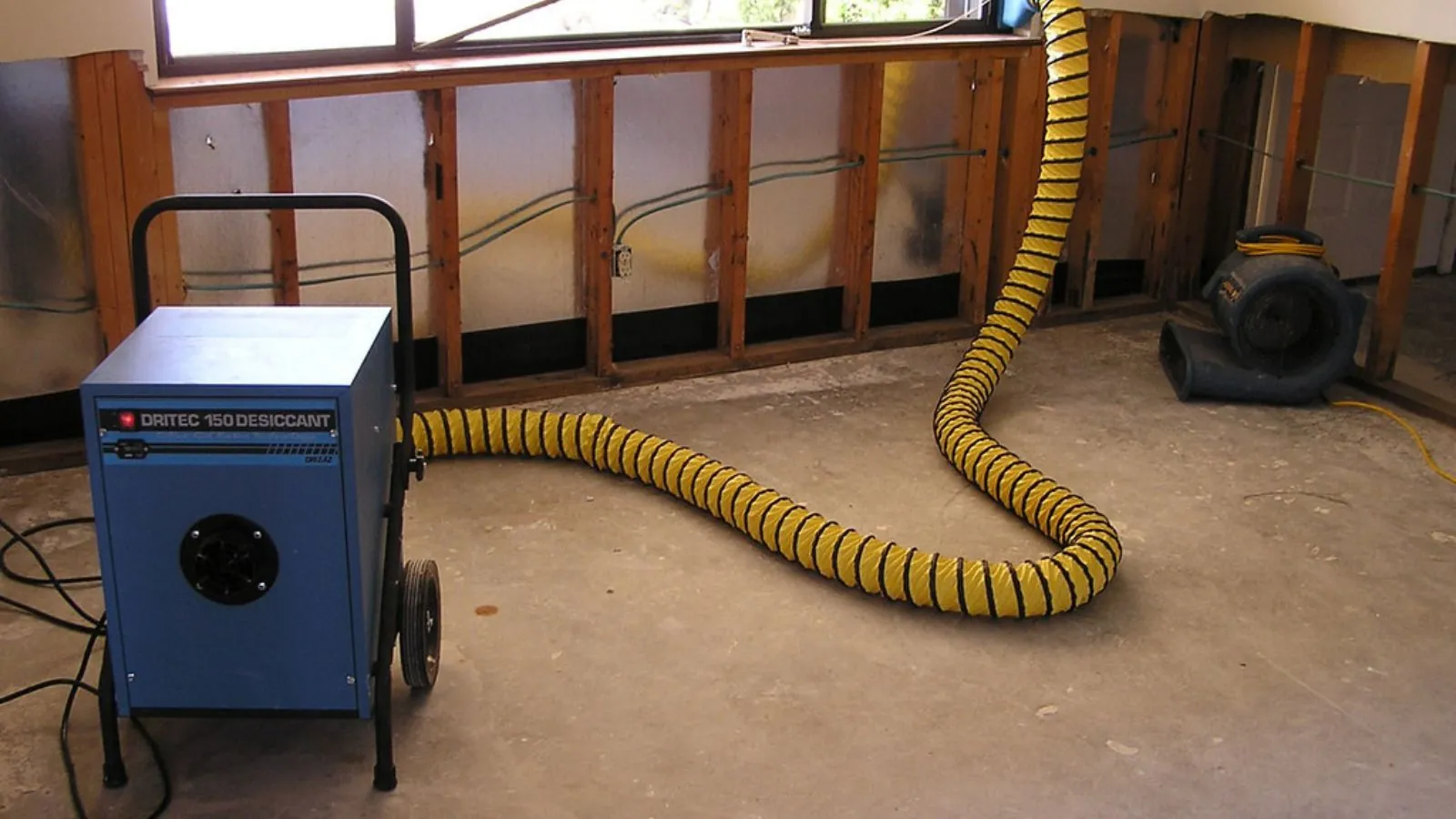
Crews check moisture with meters and thermal imaging, remove baseboards and drill small holes to dry cavities with directed airflow. If drywall is soft or the insulation is wet, they cut out the wet section, usually at a straight line 2 feet above the floor. LGR dehumidifiers and air movers dry the framing before any closing begins.
Repair follows drying. Drywall is hung, taped, textured and painted to match. For ceilings, see our ceiling repair page.
Repair options for water-damaged walls
| Option | Best when | Trade-off |
|---|---|---|
| Dry in place | Intact drywall, clean water, caught early | Less demolition, needs close monitoring |
| Flood cut | Water wicked up and insulation is wet | Faster drying, larger patch |
| Full wall replacement | Sewage, mold or widespread soaking | Highest cost, cleanest result |
| Spot repair | Small stain after source fixed | Check moisture before painting |
What affects wall repair price
- Linear feet of wall affected.
- Insulation and baseboard removal.
- Texture matching and paint.
- Drying equipment days.
- Whether mold is found.
Insurance and wall damage
Sudden leaks are commonly covered for resulting damage, and slow leaks can be excluded. Report within one year under Florida Statute 627.70132. Keep photos of the wall before opening it.
Serving Deland and nearby towns
We repair walls in Deland and in towns such as Lake Helen and Cassadaga. For mold found behind a wall, read about mold remediation, and for the drying step, structural drying.
The industry standard behind the work
Professional water damage restoration follows a published industry document, the ANSI/IICRC S500. It sets out how a loss is assessed, how affected materials are classified and how drying or cleanup is documented.
Ask any company how it applies that standard on your job. A clear answer should cover readings taken, equipment placed and the records you will receive. This page describes the approach, and it is not a claim about any individual certificate.
Questions we hear in Deland
Can wet drywall be saved?
Sometimes. If the water was clean and the wall was dried quickly, drywall can stay. Soft or stained drywall is usually cut out.
Why cut drywall 2 feet up?
Water wicks upward, and a straight cut above the wet line lets crews dry insulation and framing.
Can I paint over a water stain?
Only after the wall is dry and the source is fixed. Use a stain-blocking primer.
How long before mold grows in wet drywall?
Mold can begin in a day or two in warm, humid conditions.
Water spreading right now?
Call the line any hour. We will talk through the next safe step and what to expect from a crew.
Call (386) 699-0141