
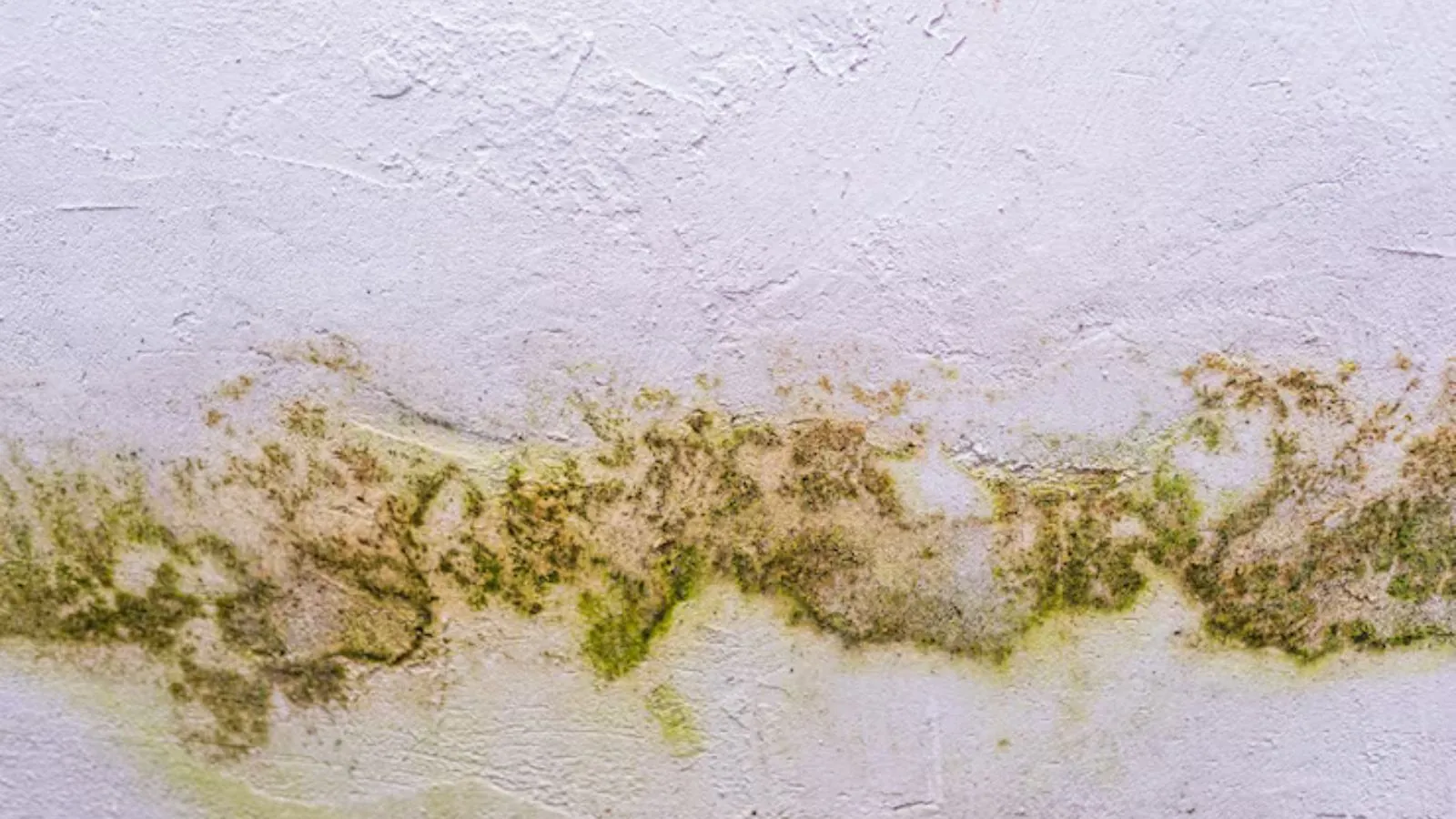
Mold Remediation in Deland, FL
Mold needs moisture, and most Deland mold starts with a leak. Crews fix the wet source first, contain the area, remove growth and dry what is left.
Mold remediation is the containment and removal of mold growth along with the drying work that stops it from returning to the same spot. In Deland, mold almost always traces back to water, such as a toilet leak, a clogged AC drain line, a roof leak or a slow supply line. If you see or smell mold, call and describe where it is and what water source you suspect.
Mold needs three things, which are moisture, a food source such as drywall paper or wood and time. Humid Central Florida supplies the first constantly, so the practical goal is to remove the wet source and the affected materials. Painting over mold hides it and does not remove it.
I found mold or a musty smell. What do I do first?
Stop the water source first, since remediation without a dry structure does not last. Keep the area closed off and avoid disturbing the growth, because scrubbing or fanning spreads spores to clean rooms. Take photos and note when you first saw the stain or smelled the odor.
Common starting points include a closet wall below an upstairs bathroom, a ceiling below an attic air handler, a shower surround with failed grout and a cabinet under a sink. A musty smell without visible growth often means mold is behind a wall or under flooring, so a moisture reading helps find it.
Mold in the house?
Call and describe where it is and what leaked. We will explain next steps.
Why mold shows up in Deland homes
Warm temperatures and high humidity mean damp materials stay damp. A leak that is not dried within a couple of days can start growth in drywall, insulation and framing. Keep indoor humidity in a comfortable range with your AC, and fix small leaks quickly, since the damp spot is where the trouble starts.
Homes with attic air handlers, closets near wet rooms and slab construction face typical patterns. Condensate overflow, shower leaks and slab seepage are among the common sources. The AC leak page and slab leak page explain two of them.
Mold vs staining: how to tell
Fuzzy or spotted growth
Visible colonies on drywall, ceilings or grout lines.
Musty smell with no visible source
Growth may be behind a wall, under flooring or in insulation.
Recurring stain after painting
Moisture is still present and keeps feeding growth.
Peeling paint or warped trim
Long-term moisture, often with hidden growth.
How crews remove mold
Assess
A crew checks moisture and the size of the affected area.
Contain
Plastic barriers and negative air control keep spores in the work area.
Remove
Affected drywall, insulation and other porous materials are removed and bagged.
Clean and dry
Surfaces are HEPA vacuumed and cleaned, and the area is dried to normal readings.
HEPA air filtration and air scrubbers capture airborne particles during the work. Crews wear protective gear and seal off return vents so spores do not travel through the duct system. The structural drying page explains the moisture control that follows.
Mold testing and clearance
Testing and inspection answer a different question from removal. An assessor takes samples or readings to find out whether mold is present and how widespread, and a clearance test after removal checks that the area is clean enough to close up. Independent clearance means the tester is not the company that did the removal, which gives the result more weight.
Florida licenses mold assessors and mold remediators under Chapter 468, Part XVI, through the Department of Business and Professional Regulation. Ask any company you consider for its license number and verify it with the state before you sign.
Mold standards such as the S520 guide, published by the Institute of Inspection Cleaning and Restoration Certification, describe how remediation is planned and documented. Ask your contractor how the work will follow it and what documentation you will receive.
Mold and a home sale or loan
Buyers and lenders sometimes ask for mold to be removed before a loan closes. If that is your situation, ask the lender or agent exactly what they need, such as a clearance report from an independent assessor. We cannot promise that a lender will accept any particular document, so get their requirement in writing first.
Allow time. Removal, drying and a clearance test take days, and rushed timelines often mean a failed test and a second round of work. Call early in the closing process so the schedule is realistic.
Remediation options and trade-offs
| Option | Best when | Trade-off |
|---|---|---|
| Fix the leak and dry only | Staining without active growth and readings are normal | Cheapest, but monitor the area |
| Contained removal of affected materials | Visible growth on drywall or insulation | Demolition and rebuild needed |
| Whole-room containment | Growth across several surfaces | Highest cost, protects the rest of the house |
| Removal plus independent clearance | Home sale, loan or a documented result is needed | Extra step, extra days |
No company can promise that mold will never return. A dry structure and a fixed source are what keep it from coming back, and you can help by controlling humidity.
What affects mold remediation cost
- Size and location of the affected area.
- Materials that must be removed and rebuilt.
- Containment and air filtration needs.
- Whether testing or clearance is required.
- Drying time and the repair of the water source.
Insurance and mold
Mold coverage varies a great deal, and many policies limit or exclude it unless it follows a covered water loss. Read your policy and talk to your agent early. Florida Statute 627.70132 sets a one year window to notify your carrier of a property claim.
Serving Deland and nearby towns
We serve Deland and nearby towns such as Orange City and Glenwood. If mold followed a wet wall, see wall and drywall repair, and if the source was above, ceiling water damage repair.
The industry standard behind the work
Professional mold remediation follows a published industry document, the ANSI/IICRC S520. It sets out how a loss is assessed, how affected materials are classified and how drying or cleanup is documented.
Ask any company how it applies that standard on your job. A clear answer should cover readings taken, equipment placed and the records you will receive. This page describes the approach, and it is not a claim about any individual certificate.
Questions we hear in Deland
Can mold be removed without fixing the leak?
No. Without a dry structure, growth returns. The leak has to be fixed first, and then the area is dried.
How do I tell if the musty smell is mold?
A musty smell often means moisture and growth are present, even if you cannot see it. A moisture reading or an assessor can confirm.
Do I need independent mold clearance testing for a home sale?
Lenders and buyers sometimes ask for it. Ask what document they require and when.
Is it safe to clean mold myself?
A small spot of surface mold can be cleaned. Larger areas or hidden growth need a crew with containment, since scrubbing spreads spores.
What does mold remediation cost?
Cost depends on area, materials and containment, and a crew explains scope and price before work starts.
Water spreading right now?
Call the line any hour. We will talk through the next safe step and what to expect from a crew.
Call (386) 699-0141