
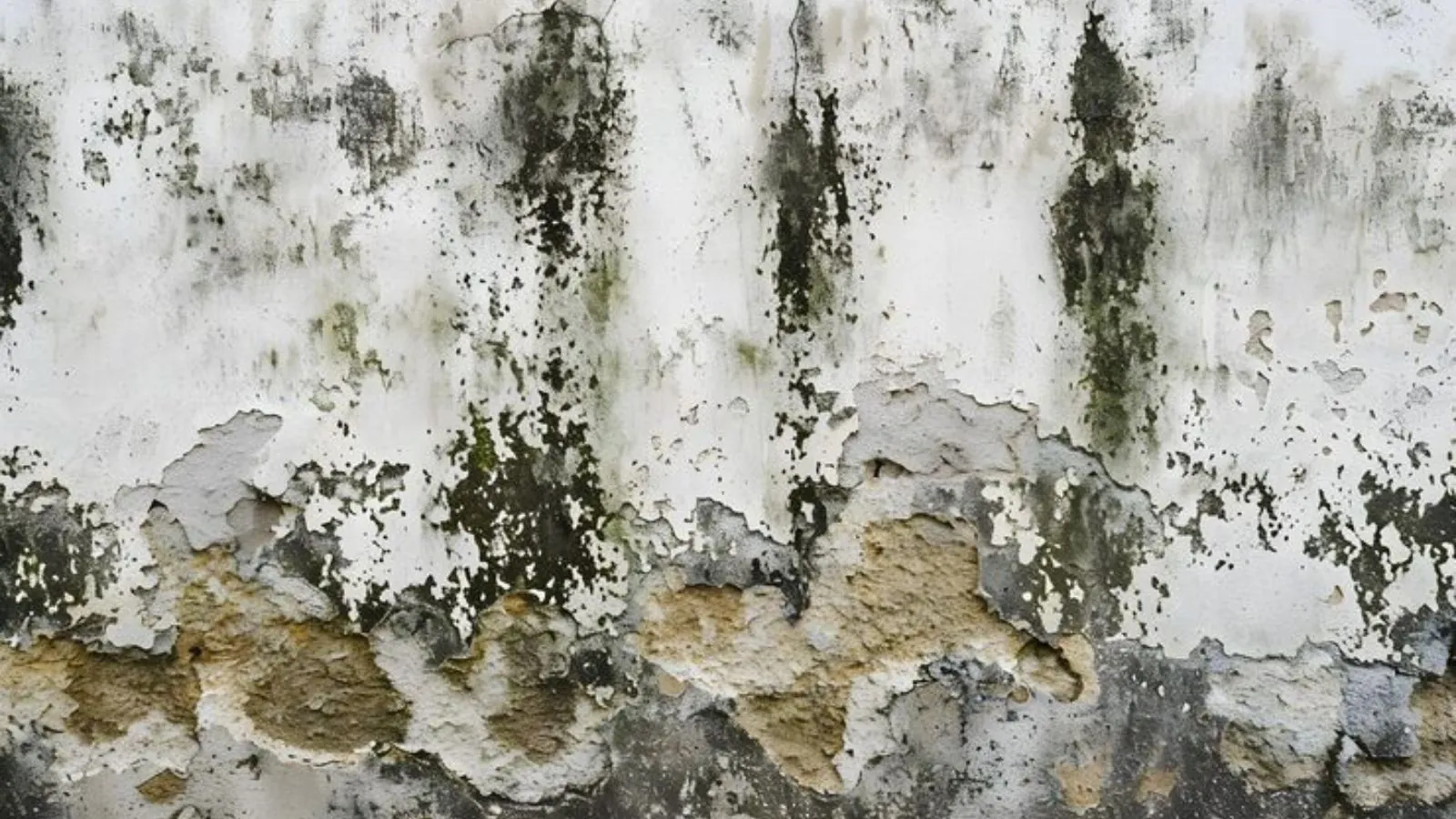
Black Mold Removal Companies in Deland, FL: What to Ask
Color does not tell you how serious mold is. These questions help you compare companies on containment, testing and licensing.
People search for black mold removal companies because dark mold looks alarming. The color alone does not tell you what kind of mold it is or how widespread it is, and only testing and inspection can answer that. What matters when you hire is how a company will contain the work, find the moisture source and prove the result.
This page is a buyer guide for homeowners in Deland. Our mold remediation page explains how the work is done, and this guide helps you judge any company you are considering.
What dark mold tells you and what it does not
Dark spots on a bathroom ceiling or closet wall can be mold of several kinds, or they can be soot, dirt or stain. You cannot identify the type by eye. Treat any growth the same way, which means find the moisture source, limit disturbance and have it removed properly.
Do not scrub or spray a large patch in an occupied room. That can spread spores to clean areas. A small surface spot on tile or grout is a different matter from growth on drywall, insulation or framing.
Questions to ask a mold company before you hire
- Are you licensed for mold work in Florida, and what is the license number I can verify with the state?
- Will you find and address the moisture source, or only remove visible growth?
- How will you contain the work area and protect the rest of the house?
- Do you use HEPA air filtration and negative air during removal?
- What will the written scope list, and how will changes be handled?
- Will an independent party do clearance testing, and who pays for it?
- What documentation will I receive when the job is done?
Florida licenses mold assessors and mold remediators under Chapter 468, Part XVI, through the Department of Business and Professional Regulation. Ask for the license number and look it up with DBPR yourself. A company that hesitates to give it is a company to skip.
Red flags
| Red flag | Why it matters |
|---|---|
| Price quoted by phone with no inspection | Scope depends on what is behind the surface |
| Only a surface wipe or spray | Does not remove growth in porous materials |
| No plan for the moisture source | Growth returns if the area stays wet |
| Promises that mold will never come back | No one can promise that, since moisture decides it |
| Pressure to sign today | A good scope survives a day of comparison |
What the work should look like on site
Containment comes first. Crews hang plastic sheeting around the work area, seal off vents and run a machine that keeps air flowing out of the work zone, so spores do not drift into clean rooms. You should see this setup before any demolition starts.
Affected drywall, insulation or trim is cut out in sections and bagged inside the containment. Surfaces that remain are cleaned with HEPA vacuums and damp wiping, and the area is dried before anything is rebuilt. If a company plans to spray and leave, the plan is incomplete.
Ask who will walk the site with you at the end. A walk-through with photos and the drying readings gives you a record that the job was finished, and that record is useful if you sell the house later.
How to compare references and past work
Ask for two recent jobs similar to yours, and ask whether you can speak to the customer or see the written scope and clearance report with the name removed. A company with a clean record is usually happy to share. Silence or vague answers are worth noting.
Testing and clearance
Some people want testing before work and clearance after. An independent assessor has no stake in the removal, which gives the result credibility. If your lender or buyer asks for a clearance report, get their requirement in writing first.
Mold guidance such as the S520 standard describes how remediation is planned and documented. Ask a contractor how they follow it and what records you will get.
What a fair quote looks like
A good quote lists the affected areas, the containment steps, the materials to be removed, the equipment, the testing and the rebuild or the exclusion of rebuild. It explains what drives the price and what could change it. A bid without detail is hard to compare.
If you live in Glenwood or Lake Helen, ask whether the company serves your area and how far crews travel.
Questions we hear in Deland
Is black mold more dangerous than other mold?
Color does not tell you the kind of mold or how it affects anyone. Ask a doctor about health concerns, and treat all growth as something to remove properly.
Can I verify a mold company's license in Florida?
Yes. Mold assessors and remediators are licensed through the Department of Business and Professional Regulation. Ask for the number and look it up.
Do mold companies in Deland offer testing and removal together?
Some do, but independent clearance testing is usually done by a separate party for credibility.
How long does mold removal take?
Often several days, plus drying and any testing. The scope sets the schedule.
Need help with water damage today?
Call the line any hour. We will talk through the next safe step and what to expect.
Call (386) 699-0141