
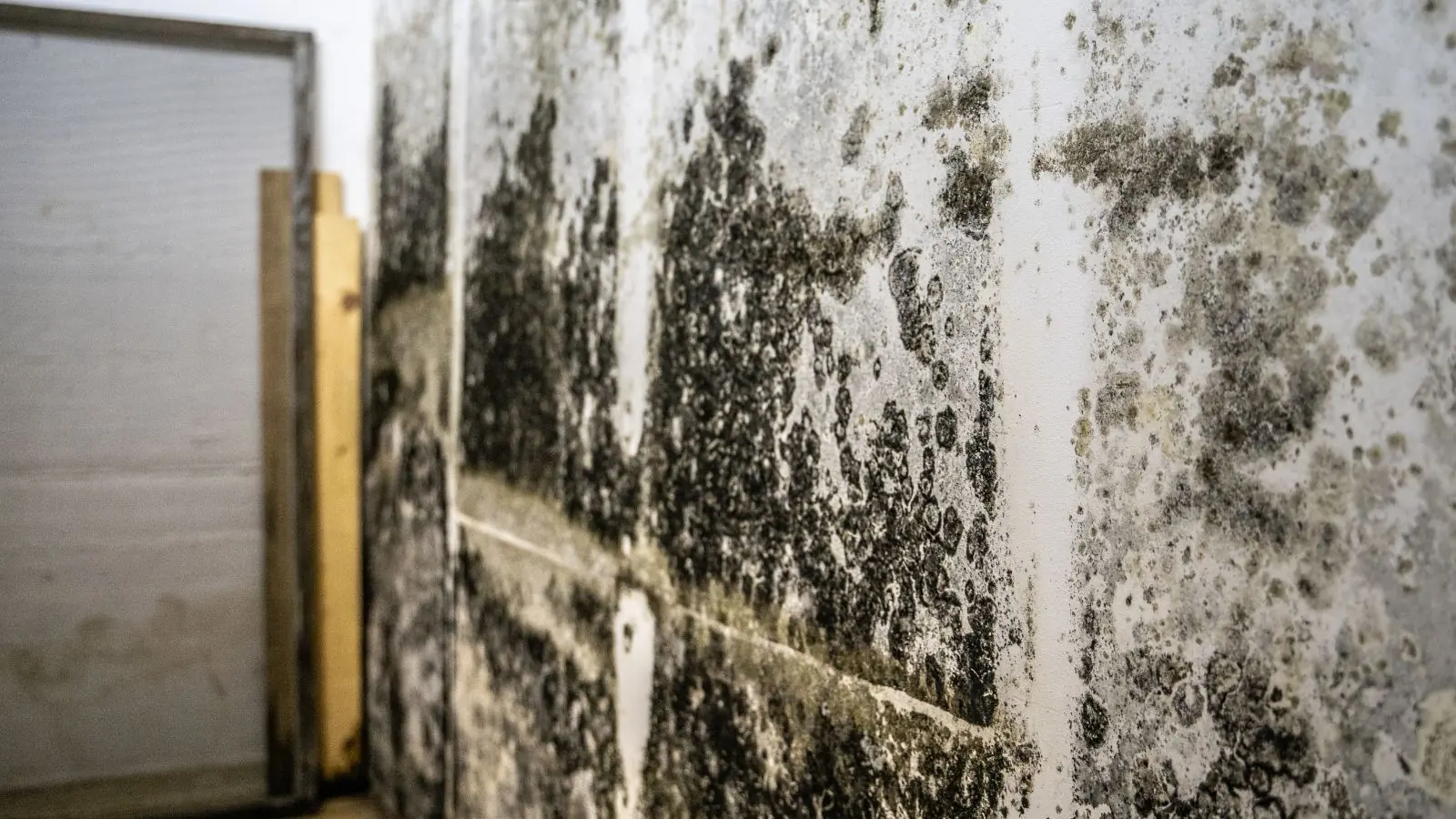
Homeowners Insurance and Mold Claims in Deland, FL
Mold coverage often depends on what caused the moisture. This guide covers common limits and how to protect a claim.
Homeowners policies handle mold differently from one carrier to the next, and many limit or exclude it. A common pattern is that mold is covered only when it results from a covered water loss, and often only up to a stated limit. Your policy language decides, so read it and ask your agent for the exact wording.
This guide is general information, not insurance or legal advice. It aims to help you ask the right questions before and after a loss.
The cause of the moisture comes first
Mold needs moisture, so insurers ask where the moisture came from. If mold followed a sudden pipe burst, coverage questions center on that event. If it followed years of slow seepage, a humidity problem or a roof that was never repaired, the exclusions often apply.
| Situation | Typical treatment | What to check |
|---|---|---|
| Mold after a burst pipe that was dried promptly | Often addressed as part of the covered loss | Mold limit in the policy |
| Mold after a long-running leak | Often excluded | Wording on continuous seepage and neglect |
| Mold from flood water | Usually excluded unless you carry flood coverage | Flood policy terms |
| Mold from high humidity alone | Usually excluded | Maintenance and wear exclusions |
Mold limits and endorsements
Many policies cap mold coverage at a fixed amount, and some offer an endorsement to raise it. Read the declarations page for a line about fungi, mold or microbial growth. If you find a limit, ask your agent what it covers, such as testing, removal and rebuild, and whether it is per loss or per year.
What helps a mold claim
- Report the water loss promptly, since delay can raise questions about neglect.
- Dry the structure quickly and keep drying logs.
- Photograph mold before and after removal.
- Keep invoices for testing, removal and clearance.
- Ask your carrier which documents they need before work begins.
Drying logs and moisture readings show that the structure was dried, which supports the position that mold was not caused by neglect. Our structural drying crews log readings on every visit.
The Florida notice window
Florida Statute 627.70132 requires notice of an initial or reopened property claim within one year of the date of loss. If you find mold weeks after a leak, count from the date of the water loss, not the date you found the mold. Report early, even if you are still gathering estimates.
How adjusters look at mold claims
Adjusters often ask how long the moisture was present, what was done to dry it and when mold was first noticed. A clear timeline helps, and so do dated photos and drying logs. If the first photo of the mold is weeks after the leak, expect questions about why it was not caught sooner.
Ask the adjuster to put coverage decisions in writing. If a denial cites an exclusion, read the exact wording and compare it with your policy, since the details decide whether it applies to your loss.
Testing, removal and rebuild: what gets paid
When a policy covers mold, the limit often has to stretch across several costs, such as testing, removal, containment and rebuild. A small limit can run out quickly on a large job. Ask your agent which parts count toward the limit, and ask your contractor for a scope that separates the steps so you can see where the money goes.
If the limit is too low for your needs, ask whether the carrier offers a higher one, and ask whether the change applies to a claim already in progress. Most carriers apply changes only to future losses.
Mold and a home sale
If you plan to sell, mold can affect a loan or closing. Our mold remediation page explains removal and clearance. Keep your insurance records with your sale documents, since buyers may ask about past claims.
Keep a log of moisture events
Write down every leak, repair and dry-out in a simple log, with dates and receipts. If mold shows up later, the log shows an adjuster that you handled the water promptly. It also helps a buyer or lender see a clear history.
Questions to ask your agent
- Does my policy cover mold, and under what conditions?
- Is there a dollar limit, and does it apply per loss?
- Does the limit include testing and rebuild?
- What documentation do you need for a mold claim?
- Can I add a mold endorsement or raise the limit?
Homeowners in De Leon Springs and Orange City should also confirm flood coverage, since both areas sit near springs and the river basin.
Questions we hear in Deland
Does insurance cover mold removal in Florida?
Some policies cover it after a covered water loss, often with a limit. Others exclude it. Read your policy wording.
What if mold appears weeks after a leak?
Report it and count the one year notice from the date of the water loss. Keep dry-out records.
Does flood insurance cover mold?
Flood policies have their own terms. Ask your agent what a flood policy says about mold.
Do I need clearance testing for an insurance claim?
Some carriers ask for it and others do not. Ask your adjuster before work begins.
Need help with water damage today?
Call the line any hour. We will talk through the next safe step and what to expect.
Call (386) 699-0141