
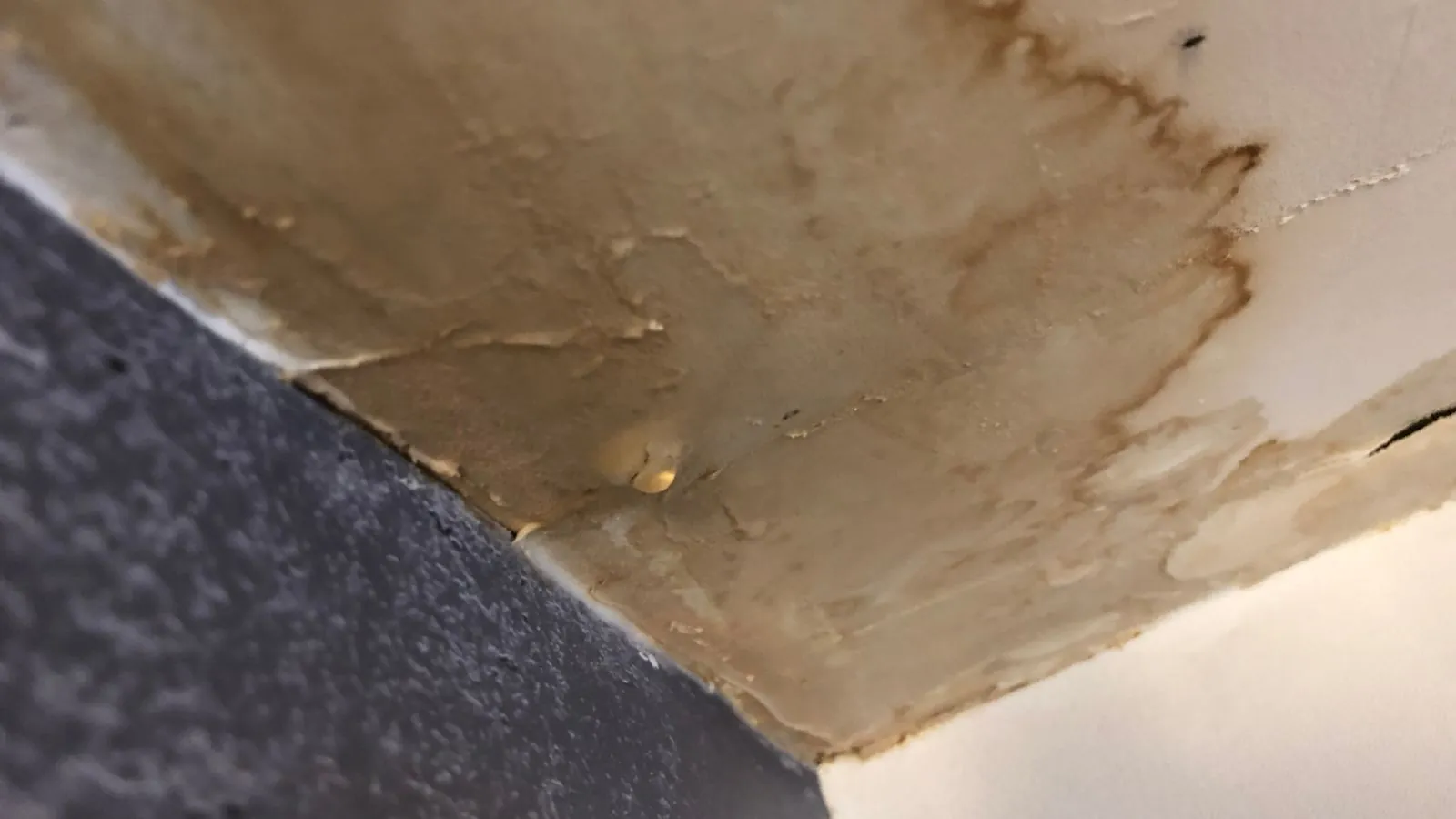
Does Homeowners Insurance Cover Water Damage in Deland, FL?
Coverage depends on the cause of the water and the wording of your policy. This guide explains the usual lines between covered and excluded losses.
Homeowners insurance usually covers water damage that is sudden and accidental, such as a pipe that bursts or a water heater that fails. It usually does not cover flooding from rising water, and it often excludes damage that built up slowly over weeks or months. Your own policy decides, so the useful question is which category your loss falls into.
This guide is general information and not legal or insurance advice. Your agent or carrier can tell you what your policy says, and the sections below show what to ask and what to gather before you call.
The cause of the water usually decides coverage
Insurers sort water losses by cause, not by how wet the house is. A dishwasher hose that splits on Tuesday is a sudden event. A pinhole leak under a slab that ran for three months is a gradual one, and many policies treat those differently.
| Cause of water | Often covered? | What to check |
|---|---|---|
| Burst or split pipe | Often covered for resulting damage | Whether the policy covers the pipe itself or only the damage |
| Appliance or water heater failure | Often covered for resulting damage | Policy limits and any age or maintenance conditions |
| Roof leak from storm damage | Often covered if the roof damage was sudden | Windstorm deductible and roof age rules |
| Slow leak or seepage | Often excluded | Wording on continuous or repeated seepage |
| Rising flood water | Usually excluded from standard policies | A separate flood policy |
Words matter here. Policies use phrases such as sudden and accidental discharge, continuous seepage and wear and tear. Reading the exclusions page before you have a loss saves surprises.
Flood is a separate matter
Standard homeowners policies commonly exclude flood from rising water, which is why a separate flood policy exists. Volusia County states that every property in the county is within a FEMA flood zone, and it does not assign zones itself. Look up your address on the FEMA Map Service Center at msc.fema.gov, then ask your agent whether flood coverage makes sense for your lot.
If your home sits near the St. Johns River or in a low area, that question matters more. During Hurricane Ian in September 2022, the river near Deland reached a record 6.2 feet, according to local reporting of National Weather Service data. Homes that had flood coverage handled that event very differently from homes that did not.
What most policies expect you to do after a loss
Policies commonly require you to protect the property from further damage. That means stopping the source if you can, removing standing water and starting drying promptly, and keeping receipts for emergency work. Skipping these steps can reduce what a carrier will pay.
- Stop the water source and photograph it before repair.
- Take photos and video of damage, including the water line on walls.
- Keep damaged items until the adjuster has seen them, if it is safe to do so.
- Save receipts for emergency repairs and equipment.
- Write down dates and times of calls with your carrier.
A restoration crew documents moisture readings and drying logs, which gives an adjuster a record of what was wet and how it was dried. Ask for copies before the job ends.
The Florida notice deadline
Florida Statute 627.70132 requires notice of an initial or reopened property claim within one year of the date of loss. Notice means telling your carrier that a loss occurred, and it is not the same as finishing repairs or agreeing on an amount. Giving notice early keeps your options open while you gather estimates.
When to call a restoration company before the insurer
Call the restoration line first when water is active, because waiting for an adjuster lets damage spread. Many carriers expect you to start mitigation right away. Our water extraction crews and burst pipe cleanup work start with stopping the damage, and paperwork follows.
Do not sign a contract or assignment of benefits form until you understand it. Ask the crew what you are signing, and ask your carrier whether they have requirements for how the work is documented.
Questions to ask your agent
- Does my policy cover the resulting damage from a pipe break, and the pipe itself?
- Is there a limit for water damage, or a separate deductible for windstorm or hurricane?
- Does my policy exclude continuous or repeated seepage, and how is that defined?
- Do I have flood coverage, and what is the waiting period if I add it?
- What does the policy say about mold after a covered water loss?
Residents of Orange City and Glenwood often have different lot conditions from in-town Deland, so mention your address when you ask about flood coverage.
Questions we hear in Deland
Does homeowners insurance cover a burst pipe in Deland?
Often it covers the water damage that results from a sudden burst, and sometimes the repair of the pipe itself depends on policy wording. Your policy decides, so ask your agent.
Does homeowners insurance cover a slab leak?
It varies. Some policies cover resulting damage and limited access costs, while others exclude slab leaks or long-term seepage.
Does insurance cover flood damage in Volusia County?
Standard policies usually do not. A separate flood policy covers rising water, and Volusia County says all properties are in a FEMA flood zone.
How long do I have to report water damage in Florida?
Florida Statute 627.70132 sets one year from the date of loss to give notice of an initial or reopened property claim. Report sooner if you can.
Need help with water damage today?
Call the line any hour. We will talk through the next safe step and what to expect.
Call (386) 699-0141