
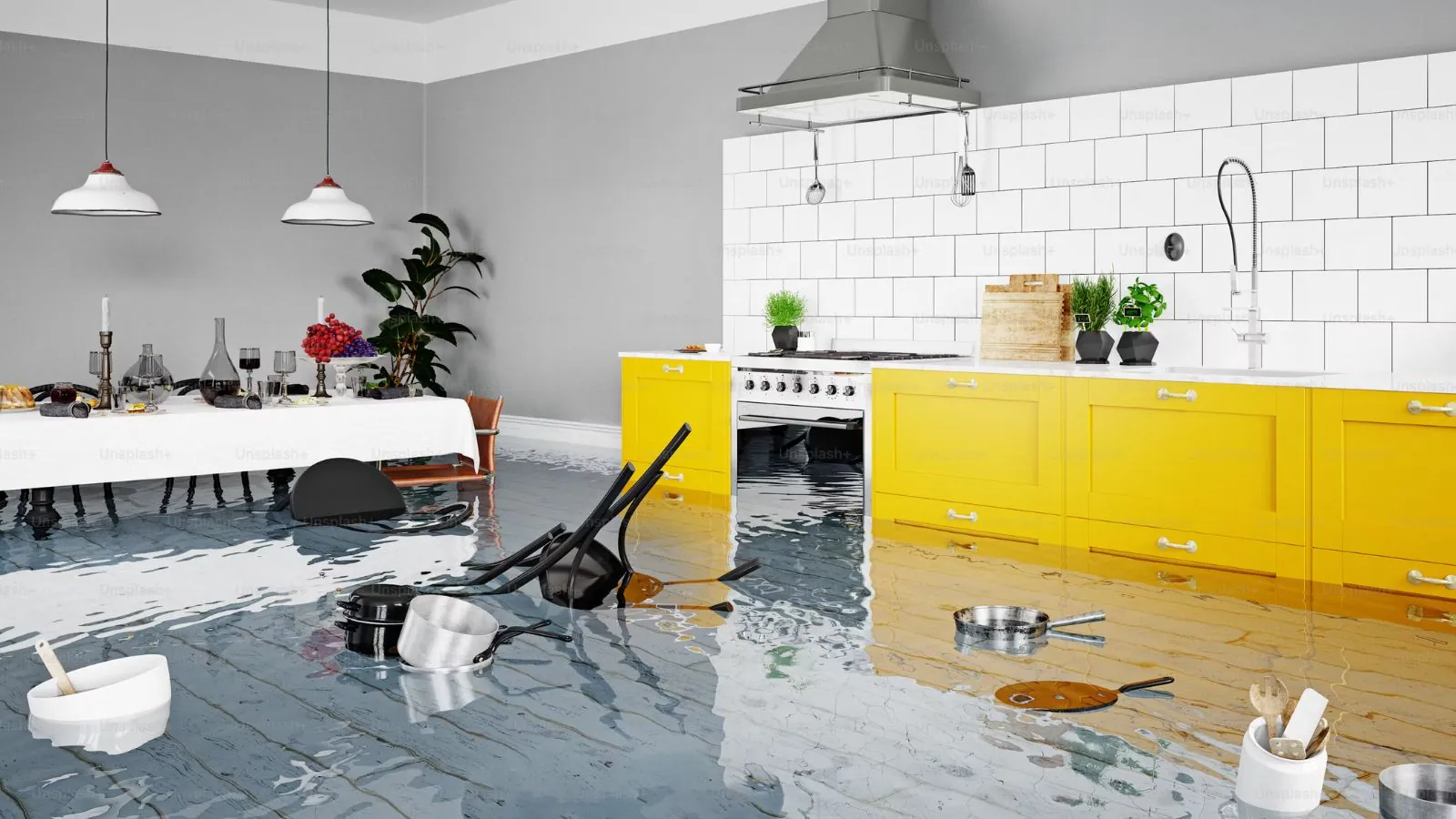
DIY Drying or a Professional After a Leak in Deland, FL
Size, water type and time decide the answer. This guide gives a quick framework and the warning signs that mean call now.
A small spill from a clean source is a fine DIY job, while a leak that has soaked walls or flooring is not. The difference comes down to how much water, where it went, how clean it was and how long it has been there. This guide gives a framework so you can decide in a few minutes.
Four questions that decide it
- How much water is there, and how far has it spread?
- Was it clean water, gray water or sewage?
- Has it been wet for more than a day?
- Did it reach walls, ceilings, insulation or the subfloor?
If the answers are a small area, clean water, under a day and only the surface, you can probably handle it. If any answer points the other way, call a crew.
Decision table
| Situation | DIY or call | Reason |
|---|---|---|
| Small spill on tile, mopped within hours | DIY | Hard surface, no absorption |
| Wet carpet, clean water, a few square feet | DIY with care, or call | Pad may still hold water |
| Water behind a wall or under flooring | Call | You cannot see or dry hidden water with fans |
| Sewage or flood water | Call | Contaminated materials need safe handling |
| Water for more than a day | Call | Mold risk rises quickly in warm, humid air |
| Ceiling bulging or stained | Call | Trapped water can fail the ceiling |
What you can do safely yourself
Stop the source
Close the valve or turn off the appliance.
Remove water
Mop or wet vacuum standing water from hard floors.
Lift items
Raise furniture and move rugs and boxes to dry ground.
Dry the air
Run the AC and a dehumidifier, and place a fan on the floor.
Do not use a household vacuum on standing water, and do not stand in water near outlets. Photograph everything before you start. If you are unsure, stop and call.
Why fans and a dehumidifier are not enough for bigger losses
A household fan moves air across the surface, but it cannot pull water out of drywall cores, wall cavities or subfloor. A small consumer dehumidifier takes out less water than the amount that is still in the structure. The result feels dry on top while moisture remains inside, and that is how mold starts.
Crews use LGR dehumidifiers and air movers sized to the wet area, and they check moisture with meters. The difference shows up in the readings. Our structural drying page explains how that works.
Safety checks before you start
Check for water at outlets, power strips and appliances before you touch anything. Turn off power to the wet area from a dry breaker, and wear boots and gloves. If the water came from a toilet, a floor drain or outdoors, stop and call a crew, because contaminated water needs safe handling.
Signs that you waited too long
- A musty smell that does not go away.
- Baseboards pulling away from the wall.
- Floors that cup or buckle.
- Paint bubbles or stains that grow.
- Visible mold growth.
If you see these, the structure is probably wet inside. Call, and describe what you see. For carpet and padding, see our carpet water damage page.
What a professional adds
A crew brings meters and thermal imaging to find water you cannot see, equipment that dries the structure rather than the surface and records that support an insurance claim. They also handle contaminated water safely. A call costs nothing, and you can describe the situation and get an honest read on whether you need a visit.
If you live in Lake Helen or De Leon Springs, mention whether you are on septic or a private well, since that affects safety steps.
Renting equipment: what to expect
Rental air movers and dehumidifiers are available at some stores. They help with small, clean-water jobs, but the machines are sized for a room and not for a structure. Without readings, you will not know when to stop, and stopping early is the usual mistake.
If you rent, set a baseline reading with a borrowed meter in a dry part of the house and compare it with the wet area. Keep going until the two match, and check again a day later.
If you decide to DIY, set a deadline
Give yourself two days. If the area still feels damp, smells musty or readings from a borrowed meter are high, switch to a professional. Waiting longer only raises the stakes.
Questions we hear in Deland
Can I dry a wet floor myself?
A small clean spill on a hard floor, yes. Water under flooring or in walls needs equipment and meters.
How do I know if water is inside the wall?
Look for staining, bubbling paint, swollen baseboards and a musty smell. A moisture meter confirms it.
Is it safe to dry sewage damage myself?
No. Sewage carries pathogens and porous materials must be removed.
How long can I wait before mold starts?
In warm, humid weather, mold can begin in a day or two, so start drying right away.
Need help with water damage today?
Call the line any hour. We will talk through the next safe step and what to expect.
Call (386) 699-0141