
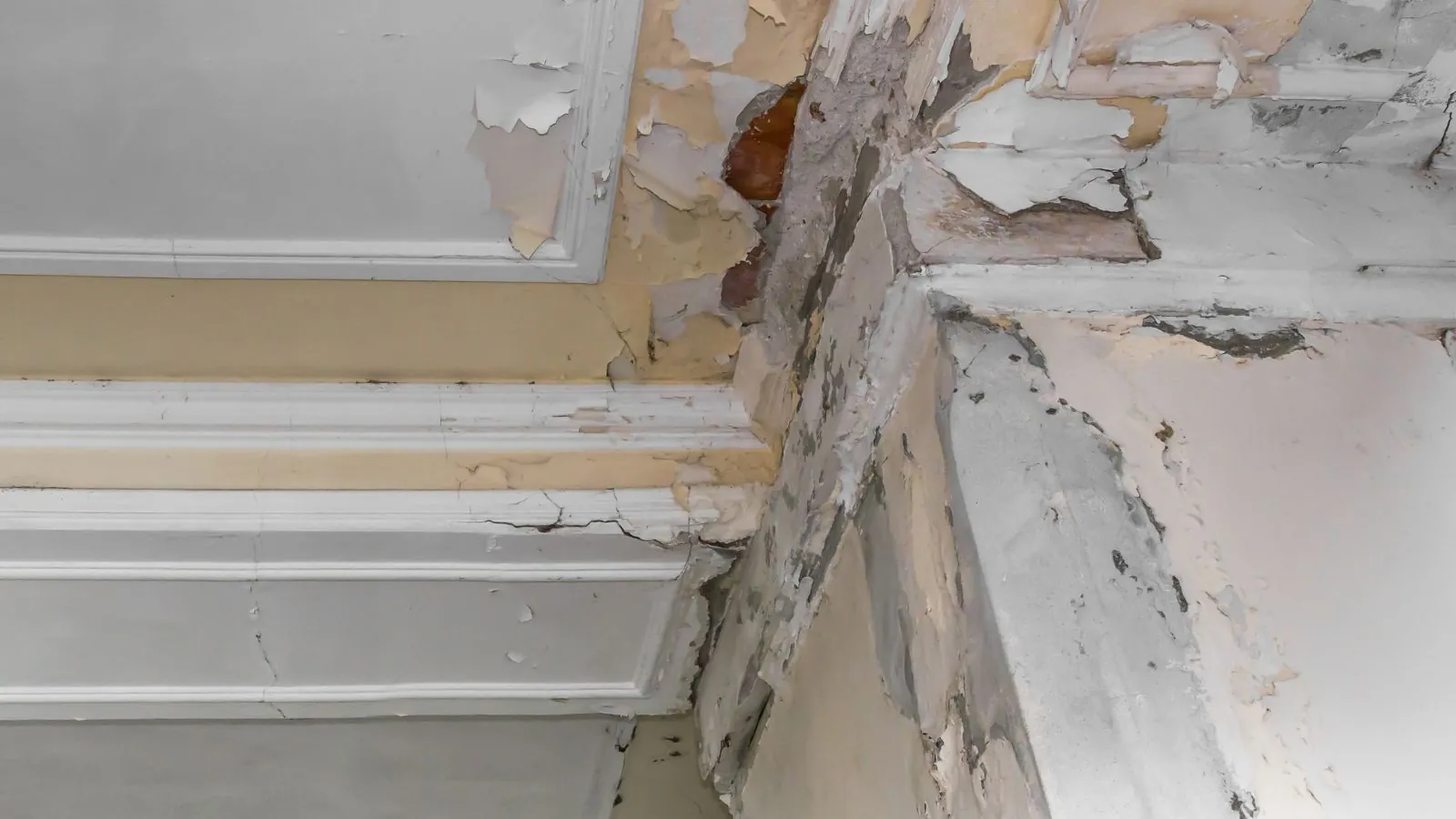
Water Damage Restoration in the West DeLand Historic District
Practical steps for water in an older DeLand home, with notes on plaster, wood floors and historic review.
The West DeLand Residential Historic District lies west of downtown, roughly bounded by University, Florida, New York and Orange Avenues. It was added to the National Register of Historic Places on November 20, 1992, and the listing counts 375 historic buildings. The City of DeLand names it as one of four historic districts, alongside the downtown, Stetson University and Garden districts.
What an older home changes about water damage
Age alone does not tell us which pipes, roof or foundation a particular house has, and many homes here have been updated over the years. What changes is the material at risk. Original plaster, wood floors and trim cost more to replace than modern finishes, so the goal is often to dry what can be saved before deciding what must come out.
Tell the line what your house has, such as plaster walls, hardwood floors or a raised foundation with a crawl space. Those answers shape how drying is planned. If you can see under the house, mention whether the ground there is wet.
| Material | Why it needs care | What to ask the crew |
|---|---|---|
| Plaster and lath | Can dry more slowly than drywall and may crack or loosen | Whether it can be dried in place and how it will be checked |
| Hardwood floors | Can cup or buckle as boards absorb moisture | Whether panels or drying mats are suited to your floor, see hardwood floor repair |
| Original trim and windows | Hard to match once removed | Whether trim can be labeled and set aside for reinstalling |
| Crawl space framing | Stays damp longer if air does not move | Whether the space needs drying, see crawl space water damage |
Check before replacing exterior features
Whether a repair needs city review depends on whether your property is on the local historic register or inside a designated district. The City of DeLand land development regulations cover historic districts and landmarks, so ask the City Planning Department before replacing windows, siding or other exterior parts. Interior drying and cleanup normally do not change the outside of a building, but confirm if you are unsure.
Take photographs of original materials before any are removed, and ask that salvageable trim and fixtures be stored rather than discarded. Those photographs also support an insurance record.
Extraction and drying in a historic house
A crew removes standing water first, then measures moisture in walls, floors and framing. Structural drying uses air movers and dehumidifiers to pull moisture out of materials that can be saved. Moisture readings repeat until the building reaches a normal range, and the ANSI/IICRC S500 standard describes how that drying should be measured and recorded.
Water from a sewage backup or from outdoors is contaminated, and porous materials that touched it are often removed. That is a safety decision for the crew, and it is not a judgment about the age of your house.
Flood maps and insurance for older homes
Neighborhood-specific FEMA flood-zone status is not verified for this page. Zones can differ from one block to the next, so use FEMA's Flood Map Service Center to look up the exact property.
Policies differ in how they pay for repairs to older materials, so ask your agent how yours treats plaster, wood floors and trim. Keep photos, receipts and the drying readings in one folder.
Water in an older DeLand home?
Call the line and describe the materials in the room. You will hear safe next steps first.
Homes closer to the center of town are covered on the page for Downtown DeLand and the Garden District, and the service area page lists every area we cover.
Where West DeLand Historic District sits in DeLand
The map is centered on the West DeLand Historic District.
Questions we hear in West DeLand Historic District
Is my house inside the West DeLand Historic District?
The district is roughly bounded by University, Florida, New York and Orange Avenues. For a definite answer, ask the City of DeLand Planning Department, which keeps the historic resource maps.
Can plaster walls be dried instead of replaced?
Sometimes. It depends on how long the plaster stayed wet, whether it has loosened from the lath and whether the water was clean. A crew can check with a moisture meter before anything is removed.
Do I need city approval before drying my house?
Interior drying normally does not change the outside of a building. Replacing windows, siding or other exterior features may need review, so ask the City Planning Department first.
Will insurance replace original materials?
That depends on your policy wording and the cause of the loss. Ask your agent before work starts how the policy treats older finishes, and keep photographs of the originals.
Water in a West DeLand Historic District property?
Call the line, give your street address and describe what you see. You will hear the safe next steps before anything is booked.
Call (386) 699-0141