
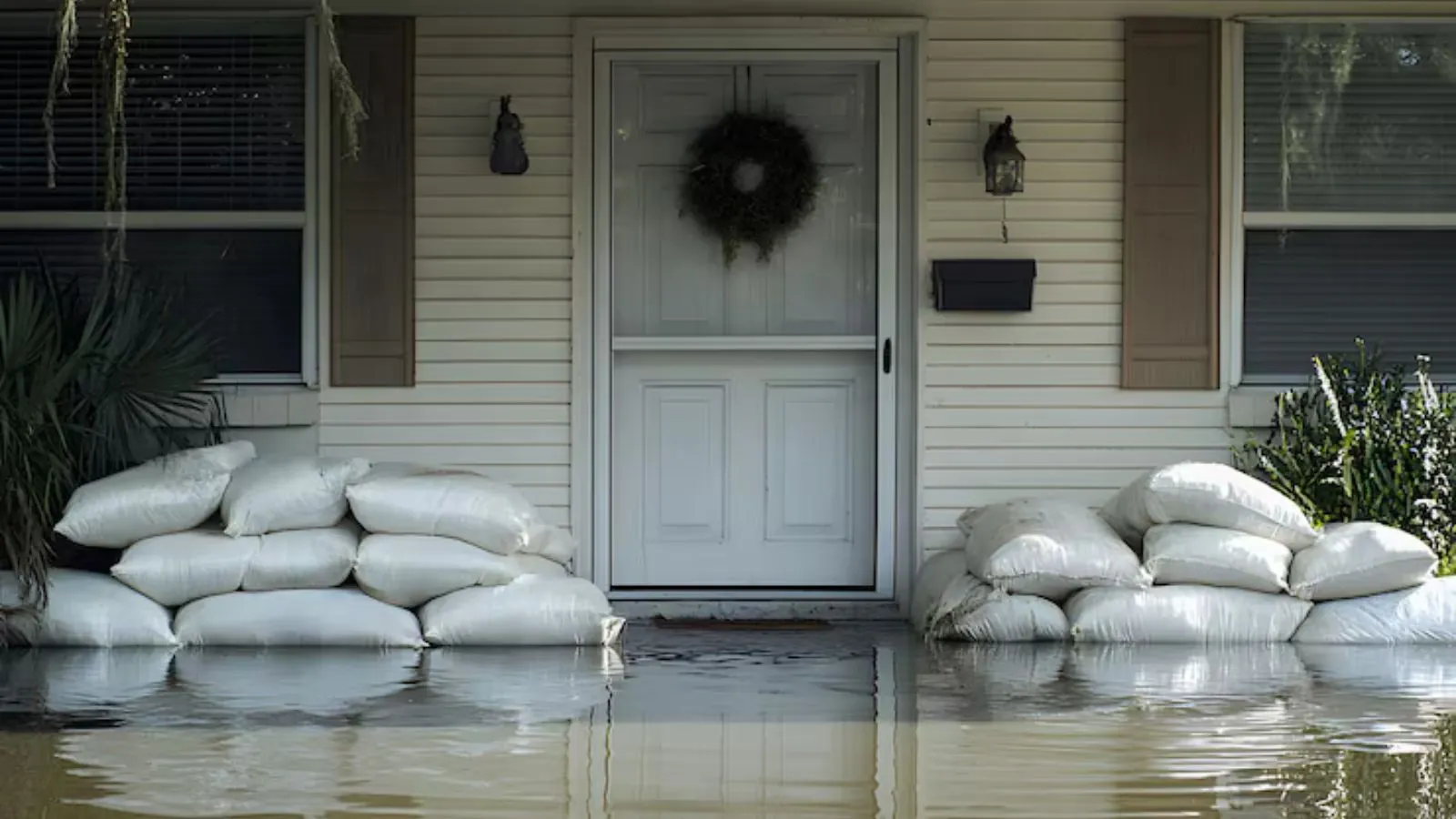
What Is Water Mitigation? A Deland, FL Homeowner Guide
Mitigation stops the damage from growing. Restoration and repair come after. Here is how the stages fit together.
Water mitigation is the set of steps taken right after a leak or flood to stop damage from spreading. It includes stopping the source, removing standing water, removing materials that cannot be saved and starting controlled drying. Restoration and repair come after mitigation, and they rebuild what was lost.
Mitigation is time-sensitive. Wet drywall, subfloor and insulation start to break down within days, and in warm weather mold can begin to grow. Starting within hours rather than days changes how much has to be replaced.
Mitigation, restoration and repair compared
| Stage | What happens | Typical timing |
|---|---|---|
| Mitigation | Stop the source, extract water, remove unsalvageable materials, start drying | First hours and days |
| Drying and monitoring | Air movers and dehumidifiers run, readings are logged | Several days |
| Restoration | Cleaning, sanitizing and treating affected surfaces | After drying goals are reached |
| Repair and rebuild | Drywall, flooring, paint and trim are replaced | After restoration, scheduled by contractor |
People use these words loosely, and a company may offer all of them. What matters is that the first stage happens quickly and that drying is verified with readings.
What mitigation includes
Stop the source
Shut the water valve or arrange a plumber or roofer to stop the leak.
Extract
Pumps and extraction units remove standing and absorbed water.
Remove
Materials that cannot be dried, such as soaked carpet pad, are taken out.
Dry
Air movers and LGR dehumidifiers dry the structure with readings logged.
Crews use moisture meters and thermal cameras to find water you cannot see. These tools matter because water travels along studs and under flooring, and the wet area is often larger than the stain.
A typical mitigation job, hour by hour
In the first hour the crew checks safety, stops or confirms the source is stopped and photographs the damage. Over the next few hours, extraction removes standing water and the crew removes materials that cannot be saved, such as soaked pad or ceiling sections.
By the end of the first day, air movers and dehumidifiers are running and the crew has taken baseline moisture readings. On following days, the crew returns to check readings and adjust equipment until the structure meets its drying goals.
Water categories and why they matter
Water is classed by how clean it is. Category 1 comes from a clean source such as a supply line. Category 2 carries some contamination, such as dishwasher or washing machine discharge. Category 3 is grossly contaminated, such as sewage or river flood water.
The category changes the plan. Clean water can often be dried in place, while Category 3 means porous materials are removed and surfaces are sanitized. Water also moves up a category as it sits, so waiting has a cost.
What to expect from a mitigation visit
- A crew checks safety, including electrical risks, before work starts.
- They inspect with meters and thermal imaging and explain the wet area.
- You hear the scope and the price drivers before work starts.
- Equipment is placed and you get a plan for monitoring visits.
- Readings are logged until materials reach drying goals.
Our water extraction page and structural drying page explain two parts of this in more detail.
Who does what on a mitigation job
The homeowner stops the source if it is safe, photographs the damage and calls a crew and the carrier. The crew extracts, removes materials, dries and logs readings. A plumber or roofer fixes the cause, and a general contractor handles the rebuild afterward.
Keeping these roles straight helps when schedules overlap. A plumber who needs to cut into a wall should know where the drying equipment is before work starts.
Common mistakes after a water loss
The most common mistake is waiting for the adjuster before starting. Another is running a household fan and calling it dry. A third is repairing finishes before the structure is dry, which traps moisture.
If you are in Orange City or Cassadaga, tell the crew your building age and foundation type. That affects how drying is planned.
What affects the cost of mitigation
- The type of water and how long it sat.
- The size of the wet area and the number of floors.
- The amount of material that must be removed.
- The days of drying equipment the structure needs.
- Whether work is needed at night or on a weekend.
Insurance and mitigation
Policies often require reasonable steps to protect the property, and mitigation is that step. Keep receipts and logs. Florida Statute 627.70132 sets a one year notice window for property claims.
Questions we hear in Deland
Is mitigation the same as restoration?
No. Mitigation stops the damage from growing. Restoration cleans and repairs what was affected.
How soon should mitigation start?
As soon as possible. Within hours is ideal, since materials start to break down within days.
Do I need mitigation if the water was clean?
Usually yes, because clean water still soaks materials and can lead to mold if it is not dried.
Who do I call for a water main break in Deland?
Call City of Deland Utilities for a main break or sewer backup, and call a restoration crew for the cleanup inside your home.
Need help with water damage today?
Call the line any hour. We will talk through the next safe step and what to expect.
Call (386) 699-0141